
Sewage

Facebook Icon
Twitter Icon
Email Icon

In Miami-Dade County, where the sparkling beaches and pristine waterways are a cherished part of the community, responsible wastewater management is paramount. When you flush the toilet, the waste goes to one of two places: a centralized sewer system or a septic tank. This page explores the sewage system, the challenges of Miami-Dade’s aging sewage infrastructure, the impacts to be aware of, and the things that you can do for a cleaner future.

Understanding Miami-Dade County’s Sewage System

Miami-Dade County’s sewage sewage system is a hidden network of pipes, pumps, and treatment plants working to collect, treat, and dispose of wastewater. Wastewater flows to one of three regional treatment plants, where it’s partially treated before being discharged three miles offshore through ocean outfalls. This system is crucial for protecting our environment and community health.

What is the Pollution Impact?

As Miami-Dade County’s sewage system ages, it faces increasing risks from rising sea levels, flooding, and heavy rainfall. Aging pipes and equipment failures have led to several sewage leaks, releasing millions of gallons of sewage into waterways, degrading water quality in Biscayne Bay, and causing beach closures and public health risks.

Between 2007 and 2013, over 200 sanitary sewer overflows (SSOs) in the county resulted in more than 51 million gallons of untreated wastewater leaking into our waterways.

Sewage leaks introduce harmful pollutants into Biscayne Bay, disrupting its delicate ecosystem. These leaks lead to algae blooms, create dead zones, and harm marine life like fish, dolphins, and manatees. Contaminated water also poses health risks to those who swim or consume seafood from affected areas, impacting both public health and the local economy.

Miami Waterkeeper performs weekly water quality monitoring that tests for fecal indicator bacteria in the water. Learn more about our results on the Swim Guide app here.

How is Miami-Dade County addressing sewage infrastructure?

To address these challenges, the federal government mandated that Miami-Dade County comply with a Consent Decree and commit $1.6 billion over 15 years to upgrade its wastewater system and prevent future SSOs. These efforts aim to protect water resources and improve the sewage system’s performance for future generations.

Legal Actions and Advocacy

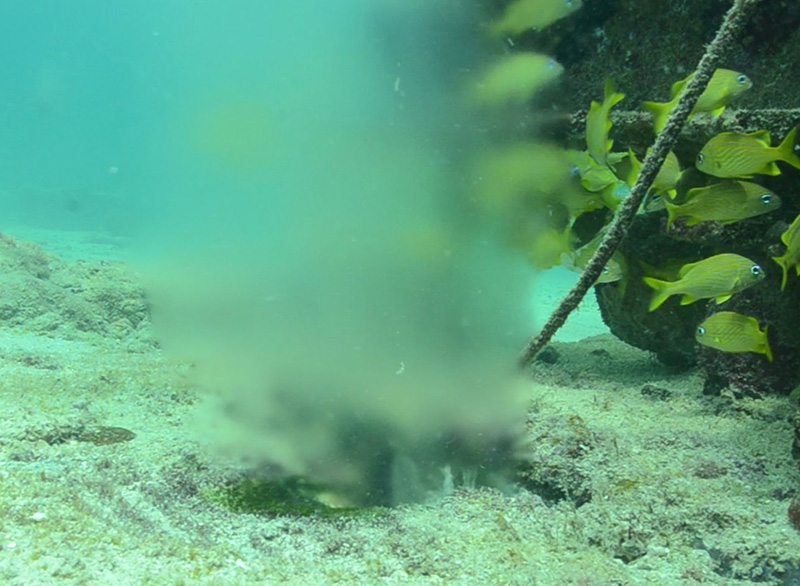
Miami Waterkeeper has been instrumental in holding Miami-Dade County accountable for its sewage management. In 2017, a citizen report to Miami Waterkeeper alerted us to a sewage leak emanating from an ocean outfall pipe extending from the Virginia Key Wastewater Treatment Plant, just off the coast of Fisher Island and Key Biscayne. Upon further investigation, Miami Waterkeeper learned that Miami Dade County had been aware of this leak for more than a year - but had failed to fix it. The consequence? Millions of gallons of partially treated sewage spew into our ocean and Bay. Despite a mandate to maintain these outfall pipes, we also discovered the County had not inspected them in nearly a decade. In response, Miami Waterkeeper filed a notice of intent to sue under the Clean Water Act. Within just three days, we catalyzed the County to fix the leak and change the maintenance policy.

Ocean Outfall Legislation

From the wastewater treatment plants, wastewater and sewage are partially treated before being discharged 3 miles offshore through another set of pipes, called ocean outfalls. You can typically identify where these ocean outfalls end by the collection of fish feeding off the nutrients coming out of the pipes. 

It was believed that the vast ocean would dilute the pollutants, however, evidence shows that these discharges are damaging marine life, coral reefs, and coastal water quality, prompting the need for stricter regulations. As a result, the federal government released an ocean outfall legislation that mandates the gradual elimination of the use of ocean outfall pipes by 2025. 

Miami-Dade County is now phasing out this practice by implementing a series of water management strategies that are highlighted in their 2019 progress report:

  • Advanced Wastewater Treatment: Upgrading treatment plants to meet higher standards that reduce harmful nutrients and contaminants before discharge.
  • Water Reuse: Repurposing at least 60 percent of treated wastewater for non-potable uses, such as irrigation and industrial processes.
  • Deep Injection Wells: Injecting excess treated wastewater deep underground, below the drinking water aquifer, to prevent surface water contamination.

Infrastructure Improvements: Investing in the necessary infrastructure to support these new approaches and ensure compliance with the legislation.

What You Can Do

Clean water is vital to our daily lives. You can help by:

  • Advocating for Upgrades: Attend community meetings, contact local representatives, and voice your concerns about sewage infrastructure.
  • Responsible Waste Disposal: Avoid flushing wipes, grease, or chemicals down the drain.
  • Reporting Pollution: Take our 1,000 Eyes on the Water course to learn how to observe and report sewage leaks.
  • Spreading the Word: Educate others on how to protect our shared sewer system.

Together, we can ensure a cleaner, healthier future for Miami-Dade County and its beautiful waterways.


Showing 1 reaction

Sign in with your email

Sign in with your social account

    Please check your e-mail for a link to activate your account.
    • Rebecca Sharpe
      published this page in Campaigns 2024-08-13 20:41:25 -0400