
MEDIA & PRESS COVERAGE
Miami Waterkeeper has been cited by local and national outlets as a trusted source on South Florida water quality, policy, and environmental justice.
All Media & Press
Miami Herald
A developer financed a film on what ails Miami. He says developers can do better
September 14, 2026
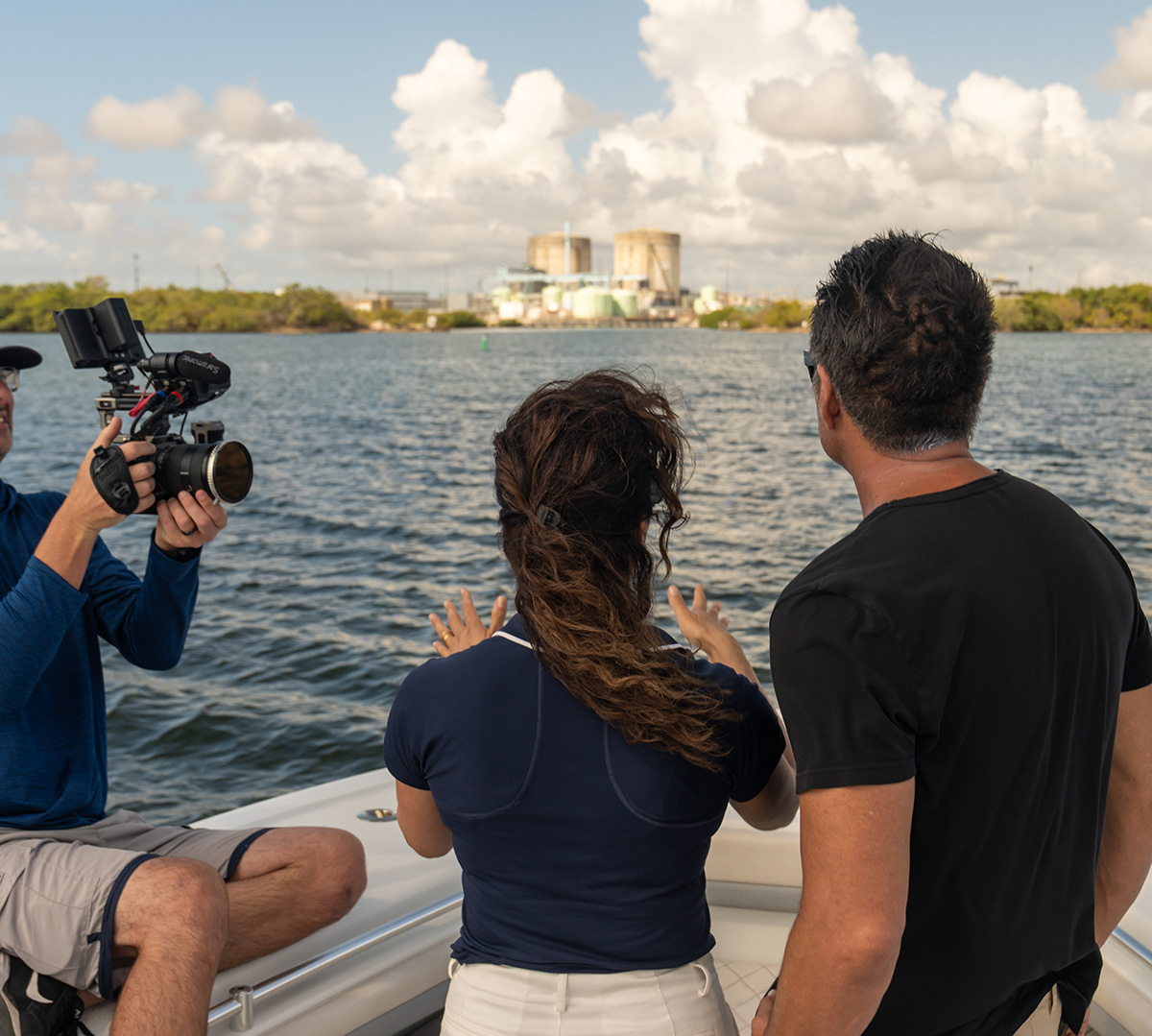
The Miami Herald previewed “The Future We Build,” a new short documentary on the compounding crises facing Miami, opening with environmental advocate Rachel Silverstein
Read moreItaly Report USA
Miami Beach Promossa a Pieni Voti nella Gestione delle Acque Piovane
August 29, 2026
Italy Report USA reported on the Stormwater Report Card — produced by Miami Waterkeeper with the Everglades Law Center and the University of Miami’s environmental program — highlighting Miami Beach’s strong marks for managing stormwater.
Read moreWTVJ-TV – NBC 6 South Florida
Another Dredging Project on Hold in Broward Amid Coral and Conch Concerns
August 21, 2026
NBC 6 South Florida covered the pause on another Broward dredging project amid concerns for coral and queen conch, quoting Miami Waterkeeper CEO Rachel Silverstein on a coral she described as “functionally extinct in the state of Florida.” Our group is one of those behind the challenge.
Read moreMiami Herald
Miami-Dade’s Land-Conservation Program Is Facing a Crippling Budget Cut
August 21, 2026
Miami Herald reported on the “crippling” budget cut facing Miami-Dade’s land-conservation program, noting the pushback from a coalition that includes Miami Waterkeeper, the Tropical Audubon Society, Friends of the Everglades, Friends of Biscayne Bay and seven other groups.
Read moreFlorida Weekly
Save the Queen
August 17, 2026
Florida Weekly reported on the effort to protect Florida’s queen conch and staghorn coral, describing Miami Waterkeeper — alongside the environmental law nonprofit Earthjustice — as a group at the front of the fight.
Read moreMiami Herald
Fort Lauderdale Dredging Project Paused After Damage to Endangered Corals
August 14, 2026
Miami Herald reported that the Port Everglades Inlet Sand Bypass Project was paused after damage to endangered corals, with no more dredging set near Fort Lauderdale anytime soon — a halt our coalition pushed for.
Read moreEarthjustice
Conservationist Lawsuit Alerts to Rare Coral Peril; U.S. Corps of Engineers Halts Fort Lauderdale Dredging
August 13, 2026
Earthjustice reported that the U.S. Army Corps of Engineers halted the Fort Lauderdale dredging work within a week of the conservationist lawsuit it filed on behalf of Miami Waterkeeper, the Florida Wildlife Federation and the Diving Equipment & Marketing Association.
Read morePress Release
NEWS: Corps Temporarily Halts Fort Lauderdale Dredging Project After Conservationists’ Lawsuit
August 13, 2026
For Immediate Release, August 13, 2026 The U.S. Army Corps of Engineers has agreed to halt authorization of all dredging activity for Broward County’s
Read moreOrlando Sentinel
Officials Extend Halt to Port Everglades Dredging Following Lawsuit
August 12, 2026
Orlando Sentinel reported that officials extended the halt to Port Everglades dredging following the lawsuit, quoting Miami Waterkeeper CEO Rachel Silverstein — a pause we’ve fought for over a decade to secure.
Read moreWUSF-FM
Army Corps Halts Work on Giant ‘Sand Trap’ Near Port Everglades After Finding Damaged Coral
August 12, 2026
WUSF reported that the Army Corps halted work on the giant “sand trap” near Port Everglades after finding damaged coral, illustrated with imagery of the sand bypass excavation off the beach north of the port courtesy of Miami Waterkeeper.
Read morePress Release
Conservationists Challenge Dredging Project Near Port Everglades Over Endangered Species Act Violations
August 6, 2026
Miami Waterkeeper, the Center for Biological Diversity, Florida Wildlife Federation and the Diving Equipment & Marketing Association sued the U.S. Army Corps of Engineers and the National Marine Fisheries Service on Tuesday for violating the Endangered Species Act when permitting a sand dredging project near Port Everglades.
Read moreMiami Herald
Giant ‘Sand Trap’ off Fort Lauderdale Threatens Wildlife and Aggravates Residents
July 30, 2026
Miami Herald reported that the giant “sand trap” off Fort Lauderdale — the Army Corps’ sand bypass project north of Port Everglades — threatens wildlife and has aggravated residents, illustrated with Miami Waterkeeper imagery.
Read more
Follow us on Social
@miamiwaterkeeper